
Builds:
Scout, Scrapper, Knight and a Better Way to Plan a RIG
Choose a RIG Riot build direction using starter archetypes, weapon roles, movement style and survivability instead of a premature tier list.
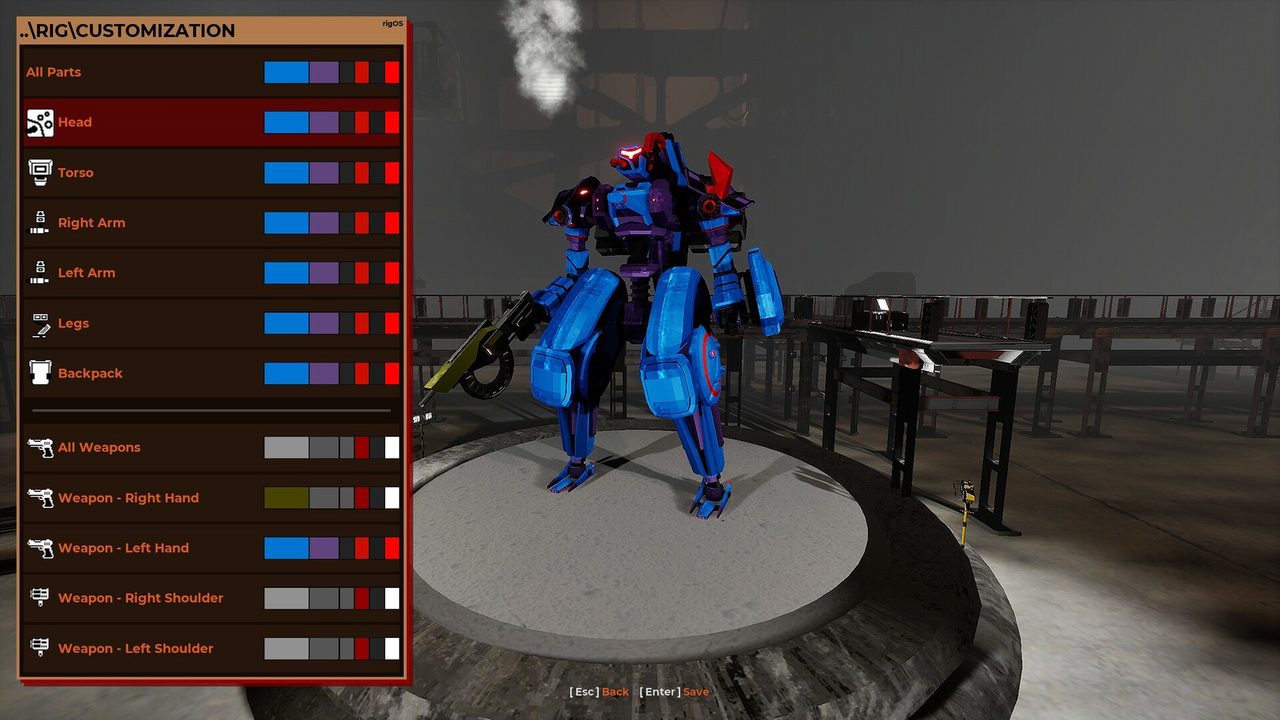
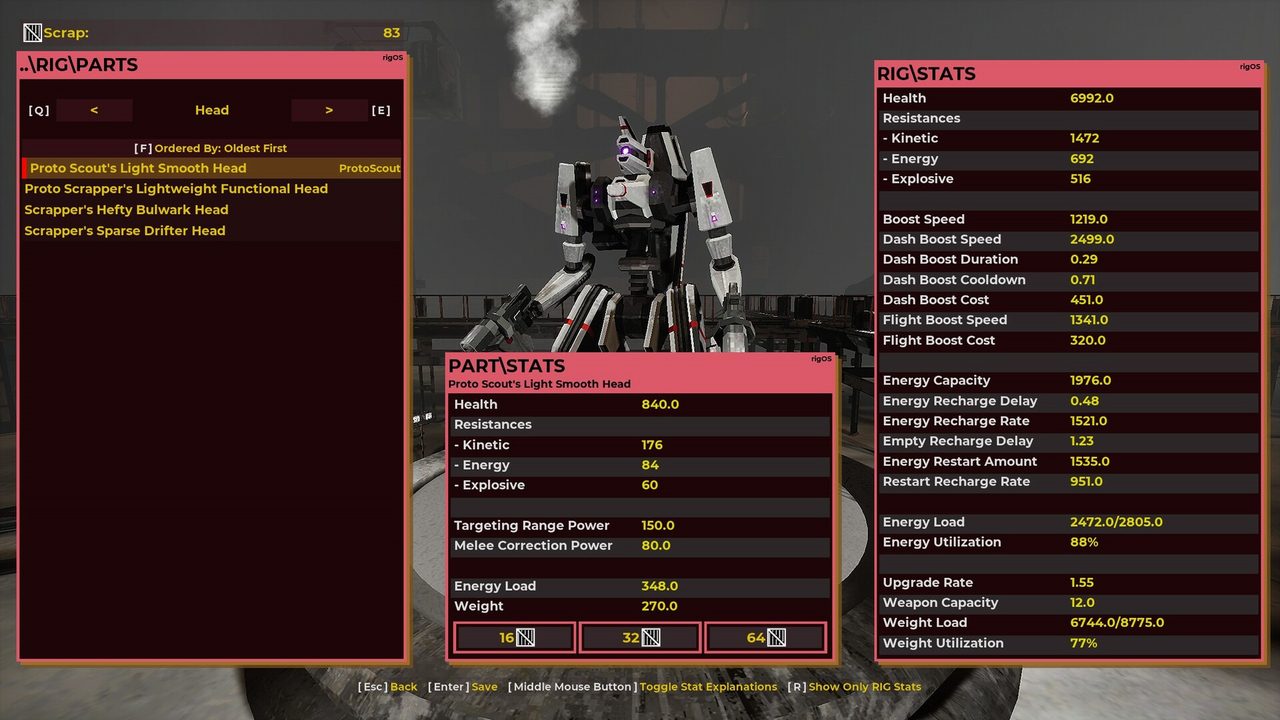
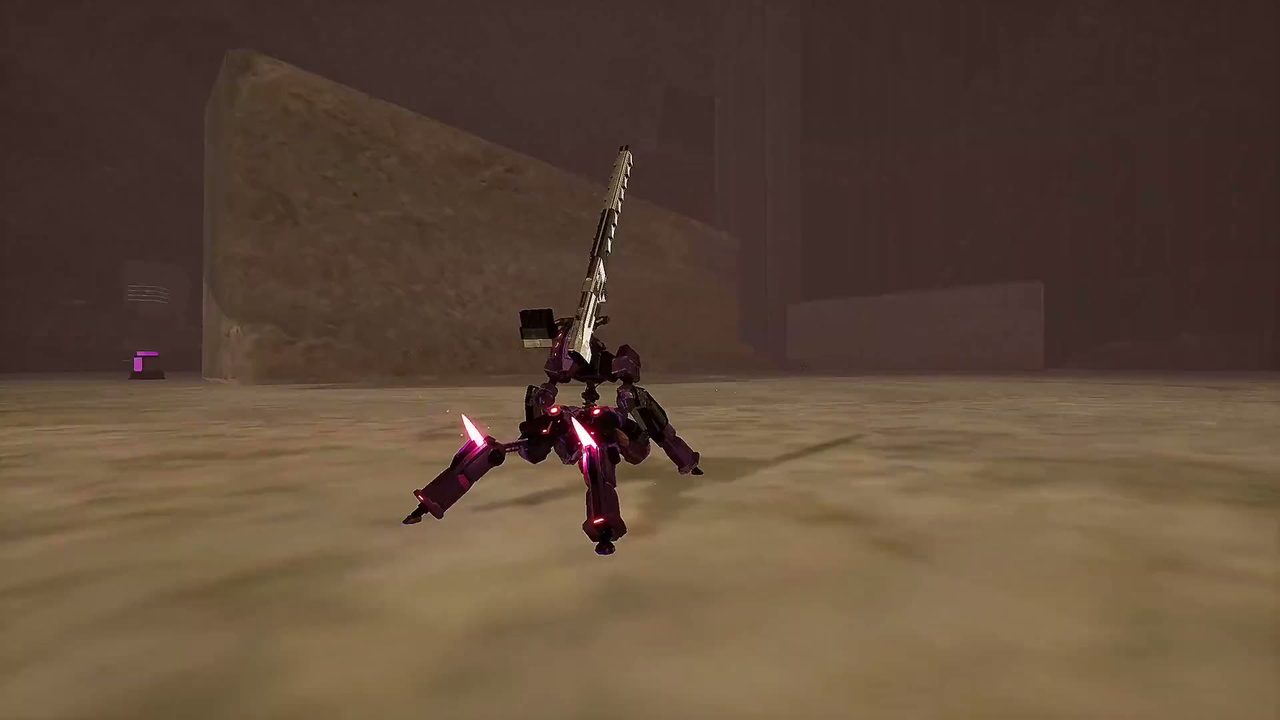
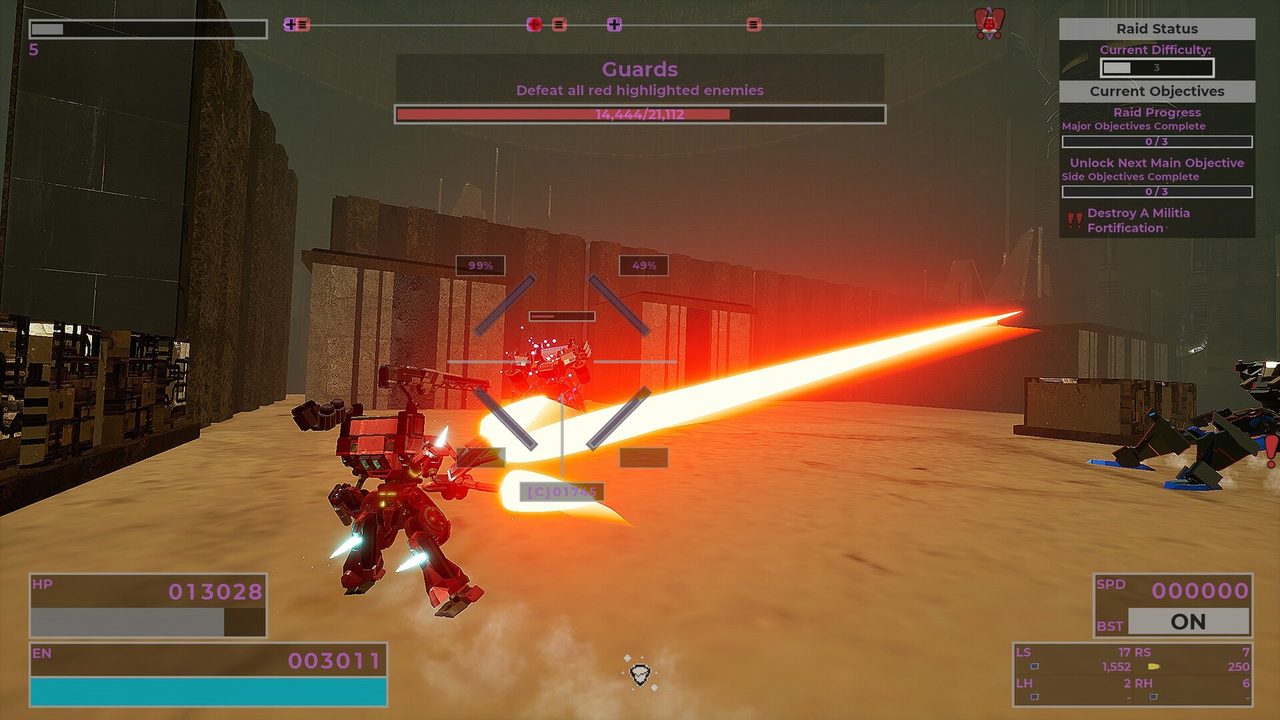
Use archetypes as a starting point, not a tier list
Aerial Range
Quick/light/long-range aerial direction in current demo starter text. Favor range, energy economy and evasive movement.
Balanced Generalist
Middleweight and broadly capable. Best place to learn how weapons, parts and movement interact.
Close Bruiser
Sturdy/slow/close-range direction. Pair durable parts with laser-blade/shotgun-style pressure and gap closing.
Challenge RIG
Current demo text intentionally describes it as poor and not a long-term solution. Pick it because you want friction.
Build in this order
- Range: where do you want to fight?
- Movement: how will the RIG stay in that range?
- Weapon roles: what actually deals the damage?
- Survival: what lets the loop survive mistakes?
- Mods: which effects trigger naturally from steps 1–4?
- Parts: improve the plan without breaking load or energy.
Three archetypes the developer explicitly supports
Steam’s own About This Game copy gives unusually useful build examples: light/mobile sniper, well-rounded missile + automatic rifle, and tanky laser blade + shotgun. That is strong evidence that the game wants very different RIG jobs, not one universal “best mech.”
Use the planner instead of copying a build blindly
The Build Planner asks how you want to move, fight and survive, then returns a source-backed direction with weapon roles and stat priorities. It intentionally avoids exact “best-in-slot” parts until full live data exists.